For swimwear and apparel brands, product imagery is everything.
The way a product is presented can determine whether a shopper stops scrolling, clicks, and ultimately buys.
But there is a persistent challenge many brands face when building their product catalogs for digital advertising:
How do you showcase a garment naturally – without using a model and without resorting to flat lays?
The traditional solution is known as ghost mannequin photography.
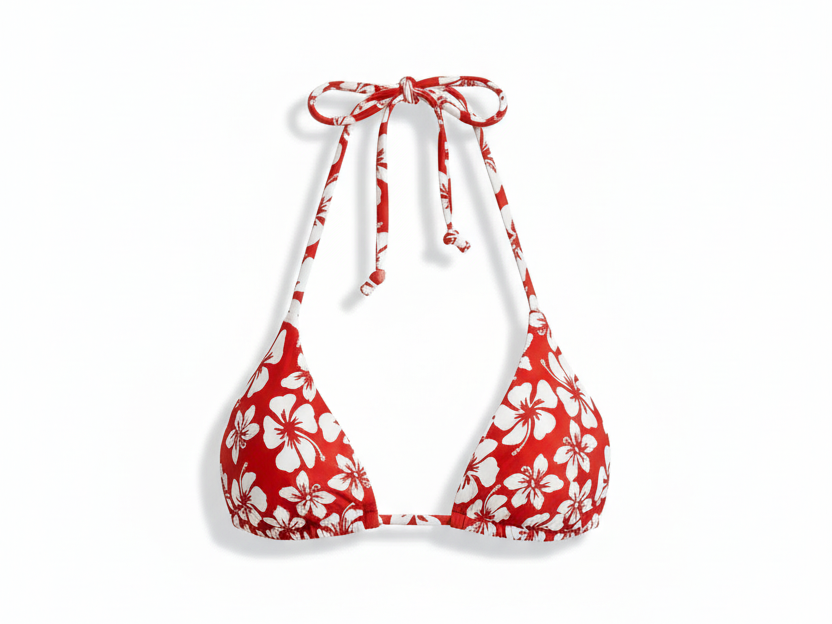
And until recently, it has been extremely expensive and operationally complex.
What Is Ghost Mannequin Photography?
Ghost mannequin photography is a technique used in fashion ecommerce where clothing appears to be worn by an invisible mannequin.
The result shows the shape, fit, and structure of the garment while removing the mannequin or model from the final image.
This approach helps brands:
• Show realistic garment shape
• Avoid distracting elements like models
• Maintain consistency across product catalogs
• Highlight product details more clearly than flat lays
For categories like swimwear, lingerie, and activewear, ghost mannequin imagery can be especially valuable because it allows the product to look natural and dimensional.
However, creating these images traditionally requires a complex photography workflow.
Why Ghost Mannequin Is So Hard to Produce
Producing ghost mannequin images at scale involves multiple steps:
- Studio photography with mannequins or partial mannequins
- Additional shots for interior garment sections
- Extensive Photoshop editing to remove the mannequin
- Image compositing to reconstruct the garment shape
Each SKU may require multiple photos and hours of editing.
For brands with large catalogs – hundreds or thousands of products – this becomes extremely costly.
Professional ghost mannequin production can cost:
• $20–$100+ per product image
• Tens of thousands of dollars for full catalogs
As a result, many brands simply skip this step entirely.
Instead they rely on:
• flat lay photography
• lifestyle images with models
• inconsistent product shots
Unfortunately, these alternatives introduce other problems.
The Advertising Problem: Models Can Trigger Platform Moderation
For swimwear brands, using models in product images can create unexpected issues on digital advertising platforms.
Automated moderation systems used by platforms like Meta often flag imagery that appears to contain nudity or suggestive content.
Even when the product is fully compliant.
This can lead to:
• ads being rejected
• products excluded from catalog ads
• restricted reach in campaigns
To avoid these issues, many brands want model-free product images.
But flat lays fail to show how the garment actually looks when worn.
Ghost mannequin is the ideal solution – but historically it has been too expensive to implement across entire catalogs.
Why This Matters for Performance Marketing
For brands running Dynamic Product Ads (DPAs) or catalog campaigns, image quality has a direct impact on performance.
Better product visualization leads to:
• higher click-through rates
• stronger product understanding
• improved conversion rates
In turn this drives:
• lower CPA (Cost Per Acquisition)
• higher ROAS (Return on Ad Spend)
But these campaigns only work as well as the product catalog images powering them.
If your catalog images are flat lays or inconsistent photography, the impact of your ads is limited.
The Genus AI Product Catalog Platform: Ghost Mannequin Generation at Catalog Scale
At Genus AI, we recently introduced a capability we are incredibly excited about:
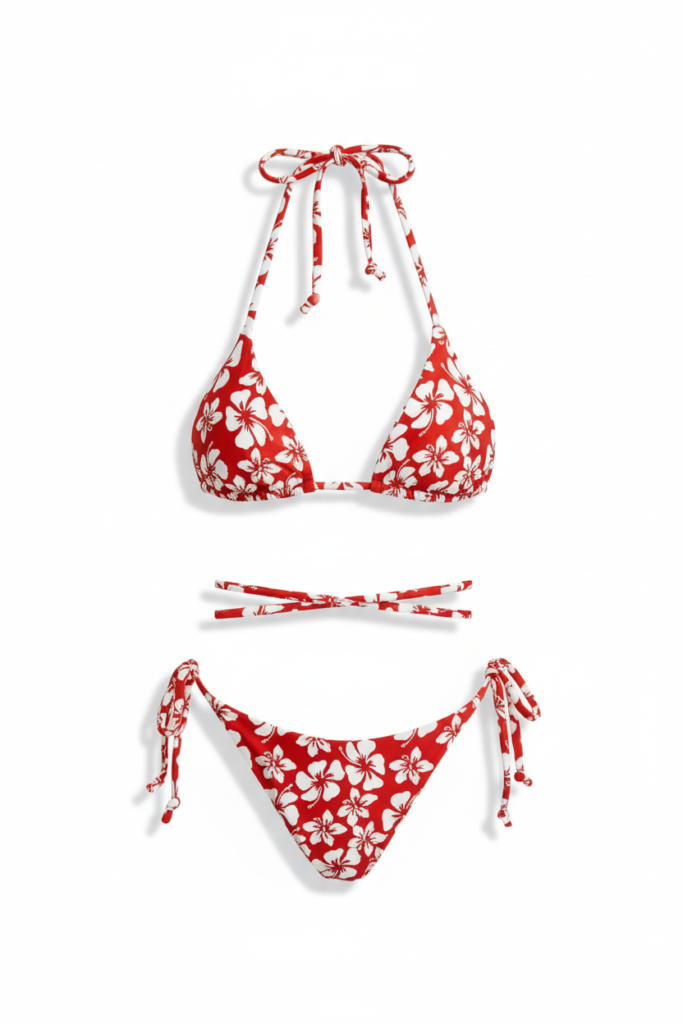
Automatically generating ghost mannequin imagery for entire product catalogs.
Instead of:
• organizing expensive photoshoots
• editing images manually
• processing one product at a time
Genus AI can now:
• transform existing product images
• generate ghost mannequin visuals
• apply them across entire catalogs simultaneously
What once required months of production and tens of thousands of dollars can now happen automatically.
What This Enables for Brands
With AI-powered ghost mannequin generation, brands can:
1. Upgrade their entire catalog instantly
Every product can have a consistent, dimensional presentation.
2. Improve Dynamic Product Ads
Catalog campaigns can showcase products more clearly and attractively.
3. Avoid moderation issues
No models means fewer risks of ads being flagged.
4. Scale creative across thousands of SKUs
No manual production workflows required.
The Future of Catalog Creative
Historically, catalog imagery was constrained by operational limits:
studio availability, editing capacity, and photography budgets.
But AI is now transforming how product catalogs are produced and optimized.
At Genus AI, we believe product catalogs are becoming the creative control plane for digital commerce.
And capabilities like automated ghost mannequin generation are just one step toward a future where brands can dynamically generate high-performing product imagery at scale.
If you’re a swimwear or apparel brand interested in upgrading your catalog visuals automatically, we’d love to show you what’s possible.
Book a demo to see how Genus AI can transform your product catalog creative.